
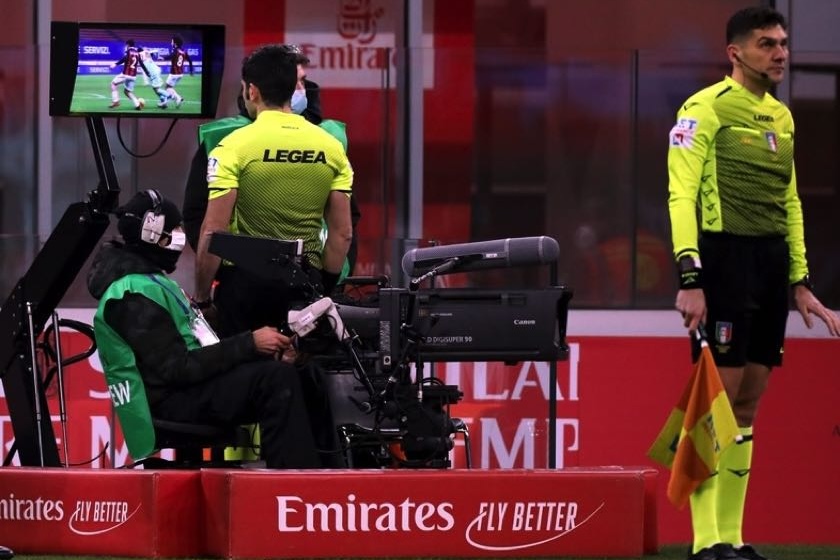
Back in the day, a goal would send a whole stadium into pure, unfiltered madness the second the ball hit the net, and nobody stopped to check whether it would stand. That’s no longer the case. Ever since VAR arrived in the Premier League in 2019, fans have had to celebrate with one eye on the big screen. They’ll wait for a green light before they let go. That little moment of doubt has changed football for millions of people, even if most of them won’t have noticed it happening.
What has VAR actually done to a day at the match, and how far has its influence spread beyond the stadium walls into living rooms and bookies’ apps across the country? More than most people will have realised.
Goal Celebrations Now Come with an Asterisk
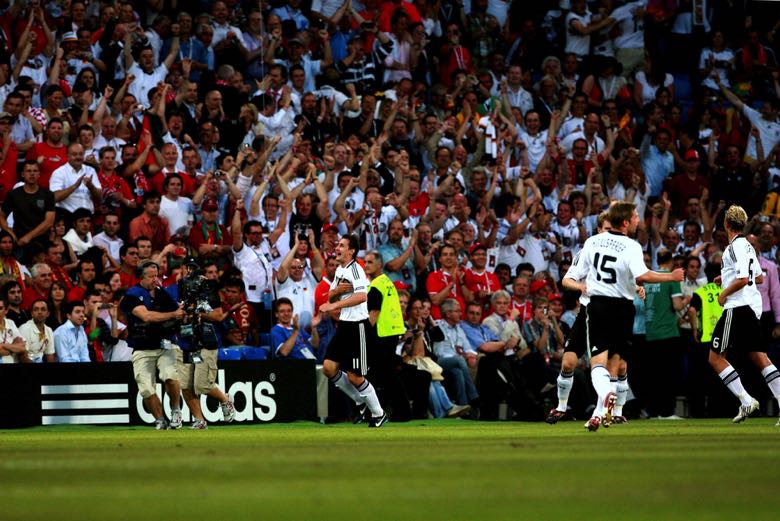
Talk to anyone with a season ticket and you’ll hear the same complaint. Goals won’t land like they once did. Now there’ll be a pause after the ball goes in, with the whole crowd holding its breath and staring at the screen in the corner of the ground while the VAR check drags on. Some fans will wait a full minute before they dare to cheer.
One of the Clearest VAR Errors Just Happened
Nothing summed this up better than the September 2026 Manchester derby. Erling Haaland put City 1-0 up in the 60th minute, but the linesman flagged him offside. VAR’s semi-automated technology then confirmed Haaland was actually onside, kept in play by Dorgu’s outstretched foot. The real issue was Enzo Fernandez, who was clearly offside and dived to try to head the ball before Haaland got to it. VAR decided Fernandez hadn’t made contact and therefore hadn’t interfered, so the goal stood. United fans were livid.
Pro Ref, the refereeing body, later admitted an error of judgement, saying the VAR “did not recognise the likely impact” of Fernandez’s position and should have recommended an on-field review. The result still stood, though.
The Long Check the Decided the Title
Earlier in the year, West Ham’s Callum Wilson thought he’d grabbed an equaliser against Arsenal in stoppage time, but a VAR review that dragged on for four long minutes ruled it out for a foul on David Raya. Arsenal hung on to win 1-0, and those points turned out to matter a lot in the title race. The ground went completely silent and the supporters left the stadium feeling cheated.
Moments like these aren’t rare any more. Most weekends will throw up at least one long check or a goal that gets wiped off, and fans have more or less accepted that this is how the Premier League works now.
How Broadcasts Have Adapted
Watching at home has changed as well. Broadcasters will now build whole segments around VAR replays, and you’ll see pundits freezing the footage and arguing over camera angles until the next game has almost started. In some post-match shows, one offside line will get more airtime than the actual football.
Online, the arguments get even louder. A clip of a questionable decision can pick up millions of views within minutes, and the rise of referee cam footage has turned officials into content creators who never asked for the job. After a big game, people will usually talk about one decision instead of how either team played.
VAR’s Ripple Effect on In-Play Betting

Few people talk about what VAR has done to in-play betting, which is strange given how much money moves on it. Odds can swing wildly in seconds. When a goal gets disallowed, or a penalty goes to the referee’s monitor and gets reversed, the market will lurch one way and back again, and nobody would have seen that ten years ago.
The problem for punters is that nobody knows how long a check will take. A tight offside call might get resolved in thirty seconds. A potential handball in the box could drag on for three or four minutes, and the odds will keep shifting the entire time. Some people have started treating the VAR pause as its own market window, watching for overreactions and jumping in before the decision lands. It’s closer to trading than traditional betting.
Newer punters get hit hardest by all of this. A lot of them will have come in off the back of the latest football free bets doing the rounds, placed a few pre-match accumulators without any trouble, and then tried their hand at a live market for the first time on a Saturday afternoon. The speed of it is a different thing entirely. One VAR check can wipe out a position before they’ve even worked out what happened. Bookmakers haven’t fully cracked it either, which means the odds during a check can be all over the place before they settle back down.
Where the Fan Experience Goes From Here
Don’t expect VAR to go away. Semi-automated offside technology has already started to roll out, and FIFA will keep pumping money into systems that promise quicker and more accurate calls. The direction of travel is clear: more tech, not less.
Whether any of that will bring back the raw joy of a goal is another question entirely. The best thing about football was always that split second of pure chaos when the ball crossed the line, and VAR has put a buffer between the moment and the reaction that no amount of faster technology will fully remove. Fans have adapted, but nobody pretends they prefer it this way. The arguments will carry on long after the final whistle, and at this point, arguing about VAR has become as much a part of matchday as the football itself.
