
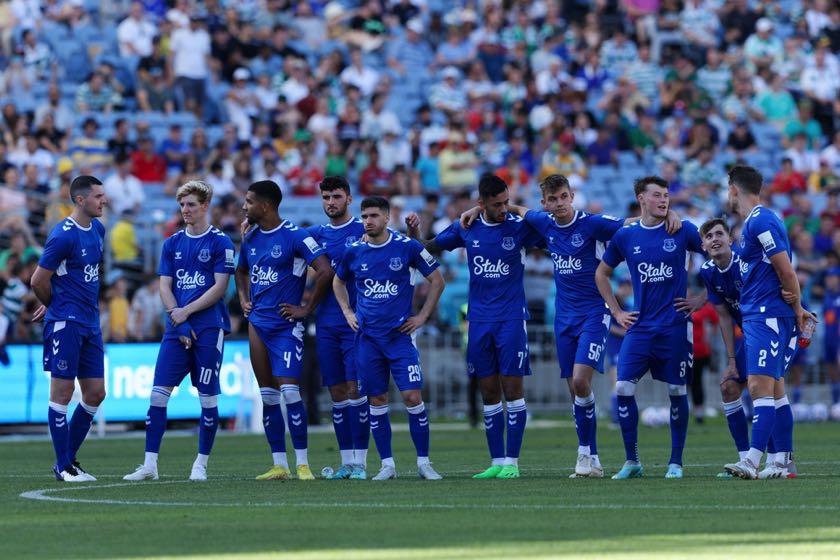
It’s not you, it’s us. Maybe that’s the message for anyone connected with Everton FC after the Friedkin Group, headed by American billionaire Daniel Friedkin, announced in October their plans to sell up and move on. The Friedkins are the third consortium to own the Toffees in a decade, having only acquired the club from Farhad Moshiri in 2024.
Moshiri, meanwhile, became the majority shareholder in 2016, effectively buying out the beloved Bill Kenwright, so once again the custodians of Everton find themselves seeking new investment. So why are the club’s owners keen to get rid so quickly… and does Everton FC represent a good investment vehicle for anyone with the necessary cash?
Breaking: Everton FC ‘put up for sale’ as owners The Friedkin Group explore options
https://t.co/9HrGHjByAY— ITV News (@itvnews) October 9, 2026
Friedkin’s Seek New Investment
 Back in September, the Friedkin Group insinuated that they were looking for new investment into Everton to help the club become more financially competitive with the rest of the Premier League. However, in the space of barely a month, that situation has now changed to the point that The Athletic is reporting that the Friedkins would, in fact, be open to a complete sale of their majority shareholding.
It has been reported that the American consortium won’t sell to any old Chip, Dick or Chuck, and are happy to hold onto the club until an appropriate buyer can be found – which, in the current global market, may not be easy. And Everton fans have every right to ask: if the owners are exploring a sale, why would they want to invest in the club in the meantime?
The Friedkins have undoubtedly stabilised Everton, but they show no sign of flexing their financial muscle to the point that the Toffees can compete with the EPL’s richest. Here’s their transfer window spending and sales from the summer of 2026:
- Transfers In – £87 million (15th in EPL)
- Transfers Out – £109 million (10th in EPL)
- Net Transfer Spend – +£22 million (5th in EPL)
That followed an almighty splurge in 2025/26, when they splashed £110 million on new players for a net spend of minus £99 million – ensuring the Toffees didn’t get sucked into yet another relegation scrap. But the Friedkin Group have clearly tightened their purse strings in the summer of 2026, becoming one of only six Premier Clubs to record a positive net spend.
It wasn’t for the want of trying though, as they sanctioned the £40 million signing of Folarin Balogun – only for the deal to fall through when the player got cold feet. Have the Friedkins supported Everton financially? Yes. Will they continue to do so? Like all good businesses, they’ll only spend if they sense a positive return on their investment… and the fact that they are exploring a full sale perhaps tells its own tale on that front.
The Curious Case of Farhad Moshiri
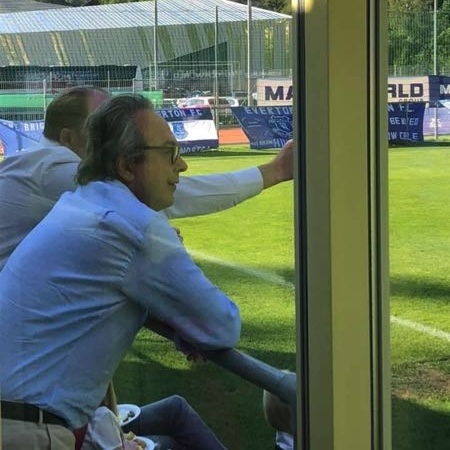
At the end of the 2016/17 season, Everton finished seventh in the Premier League. This was a club knocking on the door of the ‘big six’, as it was at the time. Farhad Moshiri had just become the club’s majority shareholder, and the British-Iranian had signalled an intent to spend big to help the Toffees establish themselves amongst the EPL’s elite.
But what unfolded was a catalogue of disastrous decisions, which saw Moshiri green light new signings that would prove to be cataclysmically bad value – Gylfi Sigurdsson, Cenk Tosun and Davy Klaasen just some of those that spring to mind.
Moshiri’s failure wasn’t a lack of ambition or spending, but just incompetent decision-making; Everton slumped from seventh to 16th in the space of just five seasons, with a series of near-knuckle relegation dogfights that left the Toffees on the brink of relegation for the first time since 1951.
He also sacked eight managers, each of which comes with a hefty compensation bill to foot, while Carlo Ancelotti, one of the most successful managers in modern football, walked away – unable to cope with Moshiri’s madcap style.
With transfer market turmoil and the cost of Everton’s new stadium, Moshiri was bankrolling the club and losing money hand over fist – he personally loaned more than £450 million into the coffers, but as a necessity to get the sale to the Friedkins over the line, accepted a payout of just £25 million.
It brought the curtain down on one of the most frantic – and unsuccessful – spells in the club’s modern history.
Who Wants to Buy Everton?
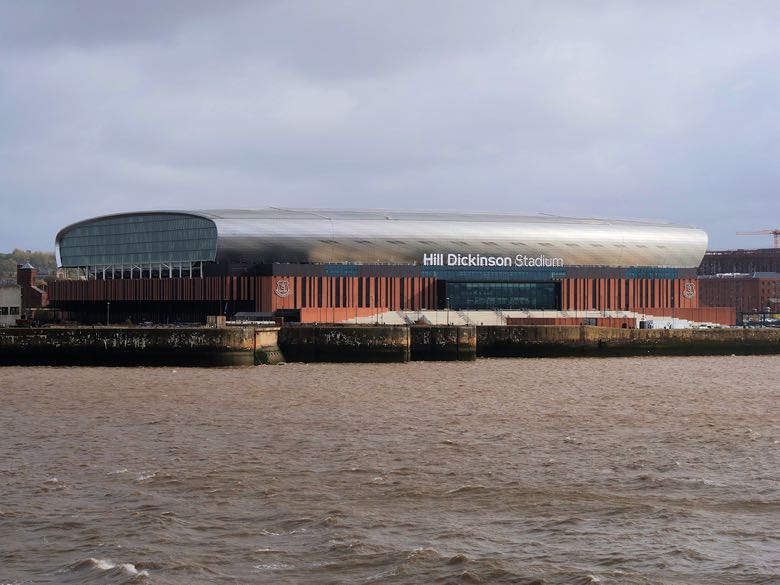
Eschewing the flamboyance and frivolousness of Moshiri, the Friedkin Group has operated Everton in a similar manner to other American owners in the Premier League: calculating, clinical and with a sense of balance. Having initially invested £400 million to buy the club, the Friedkins have embarked on a period of consolidation: restructuring debt, financing the transition to the Hill Dickinson Stadium with lower interest loans and trying to keep the Merseysiders competitive on the pitch.
They have attracted new investment from the likes of millionaire Christopher Sarofim and former Dallas Mavericks coach Jason Kidd and, due to the nature of their original buyout back in 2024, will now almost certainly sell for a profit.
A price of around £800 million has been mooted, which seems on the high side – Crystal Palace minority shareholder Woody Johnson paid £180 million for a 43% stake in the Eagles in July 2025. The new Everton owner will be saddled with debt, around £400 million as per most recent accounts, and a team that has been on a general downward curve over the past decade.
But the Hill Dickinson Stadium will be considered a major plus – particularly as Anfield often struggles to secure a licence to host major concerts and shows, so the Everton ground could fill the void as the city’s premier outdoor venue. And this is a club with a rich heritage and loyal fanbase; something that can vibe with American owners and the way that NFL and NBA franchises are operated.
It has never been more expensive to own a football club, mind you, and there’s a general sense that there are more owners trying to escape the sport than there are willing buyers trying to break in.


